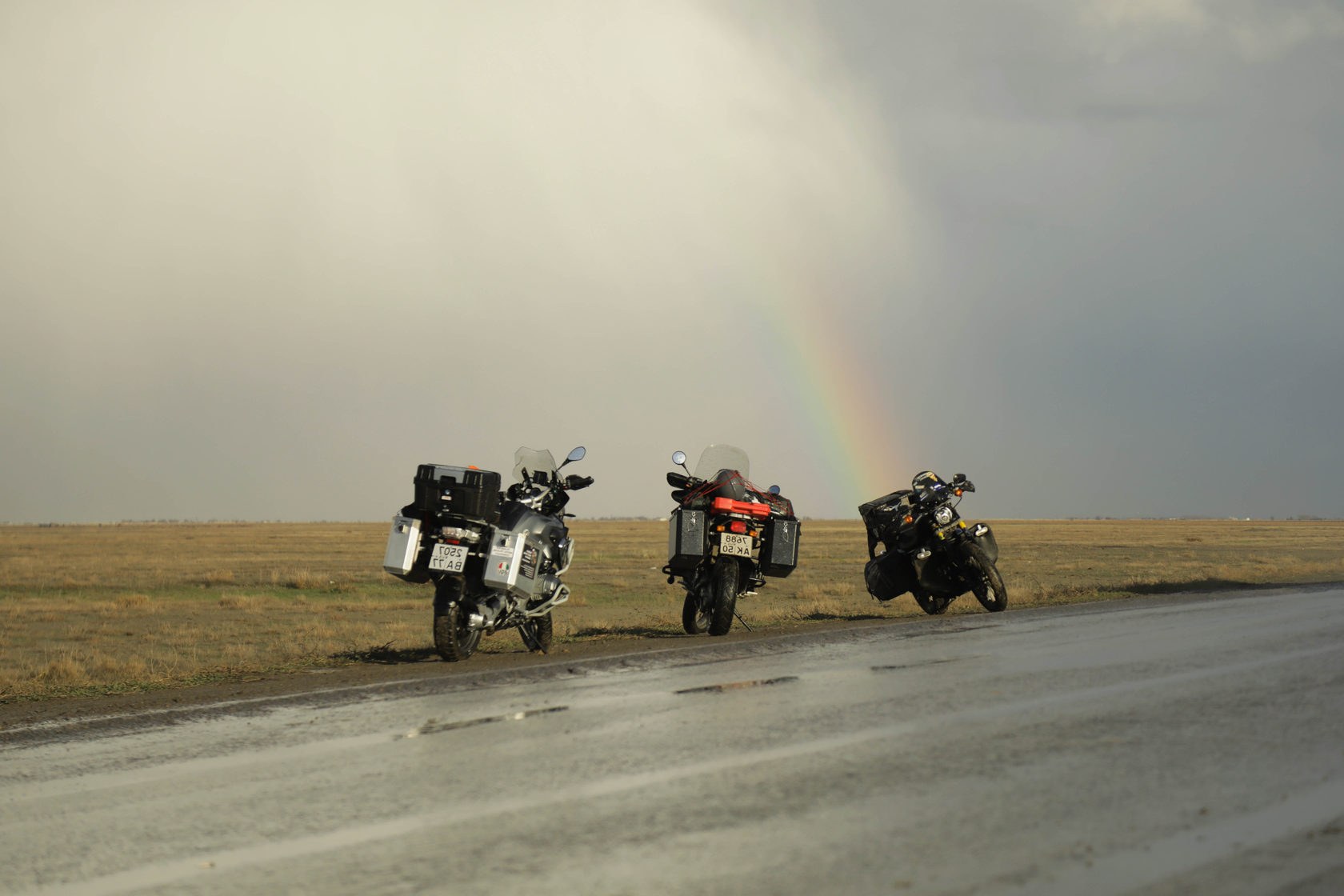
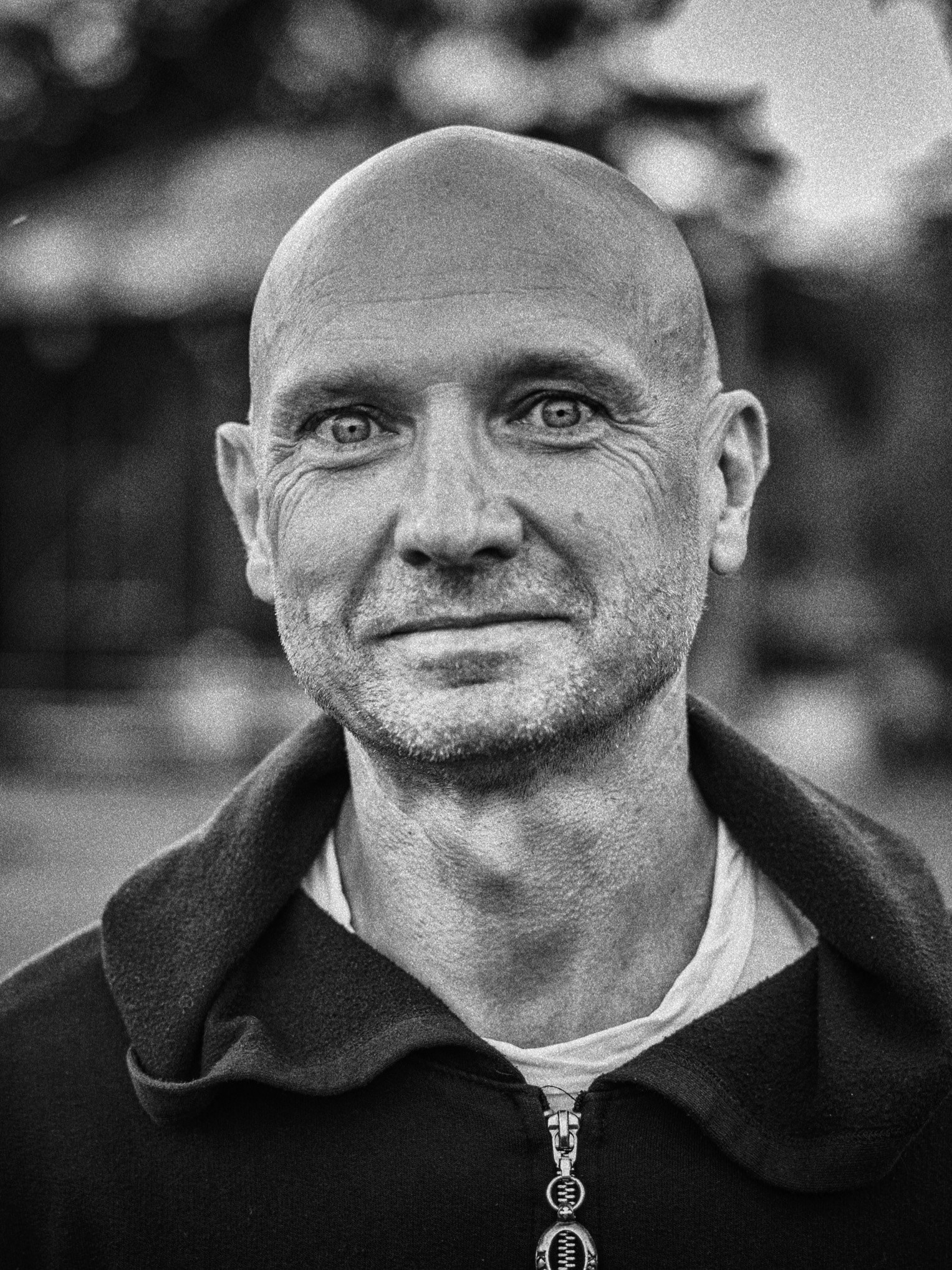
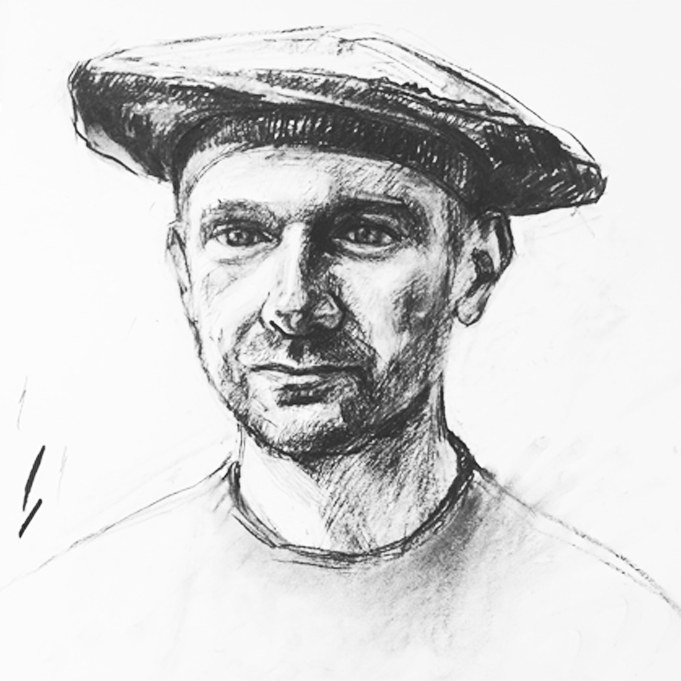
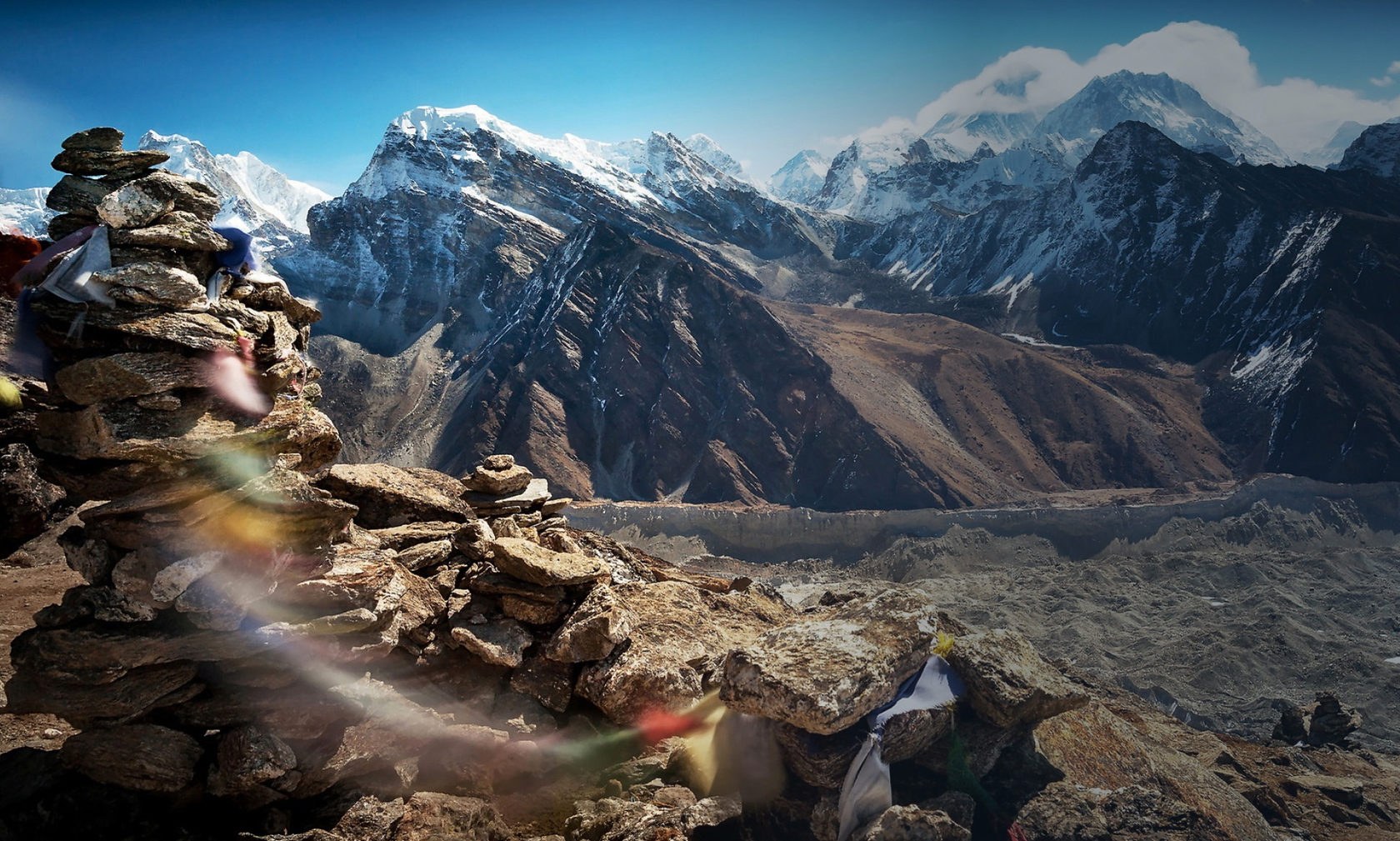
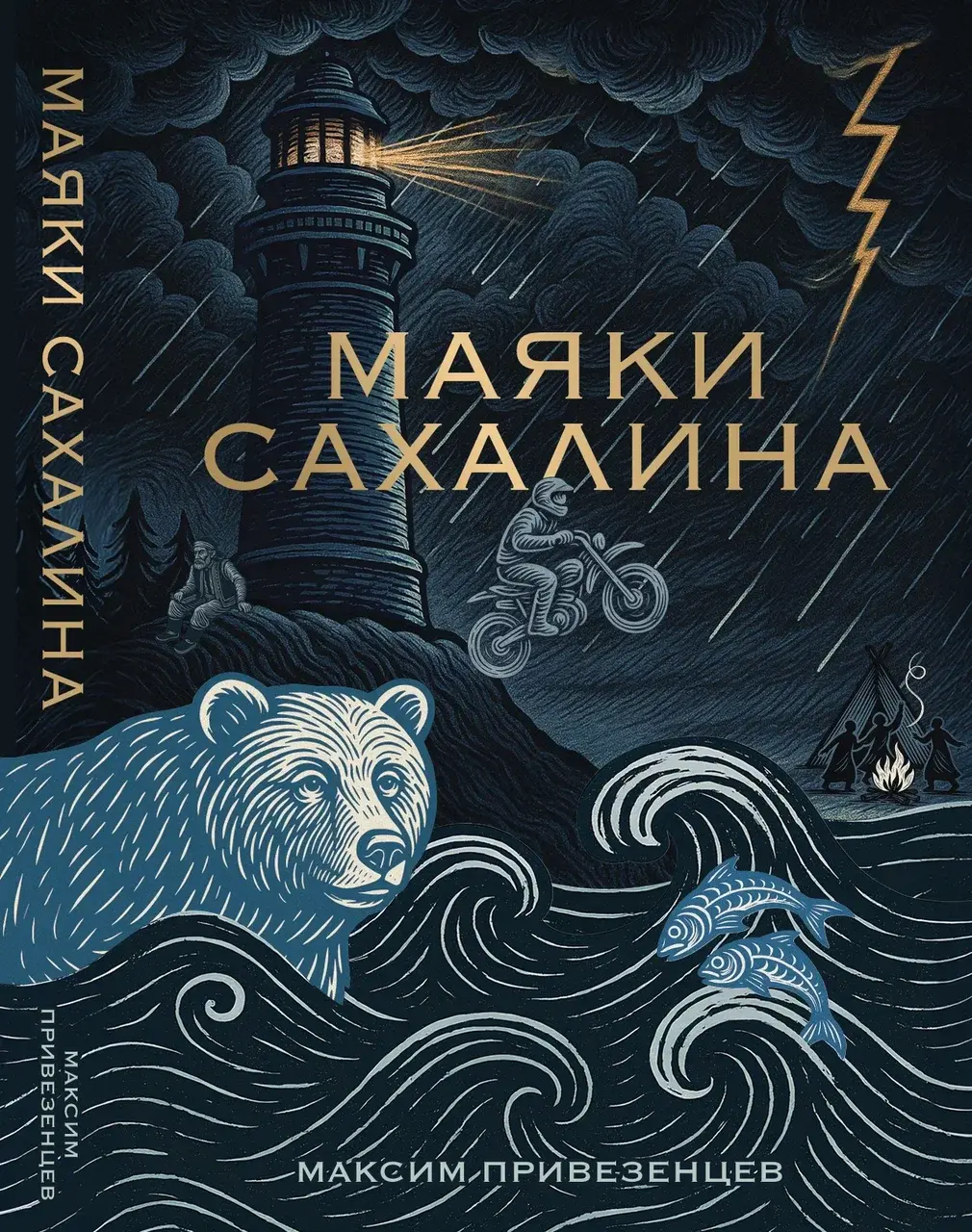
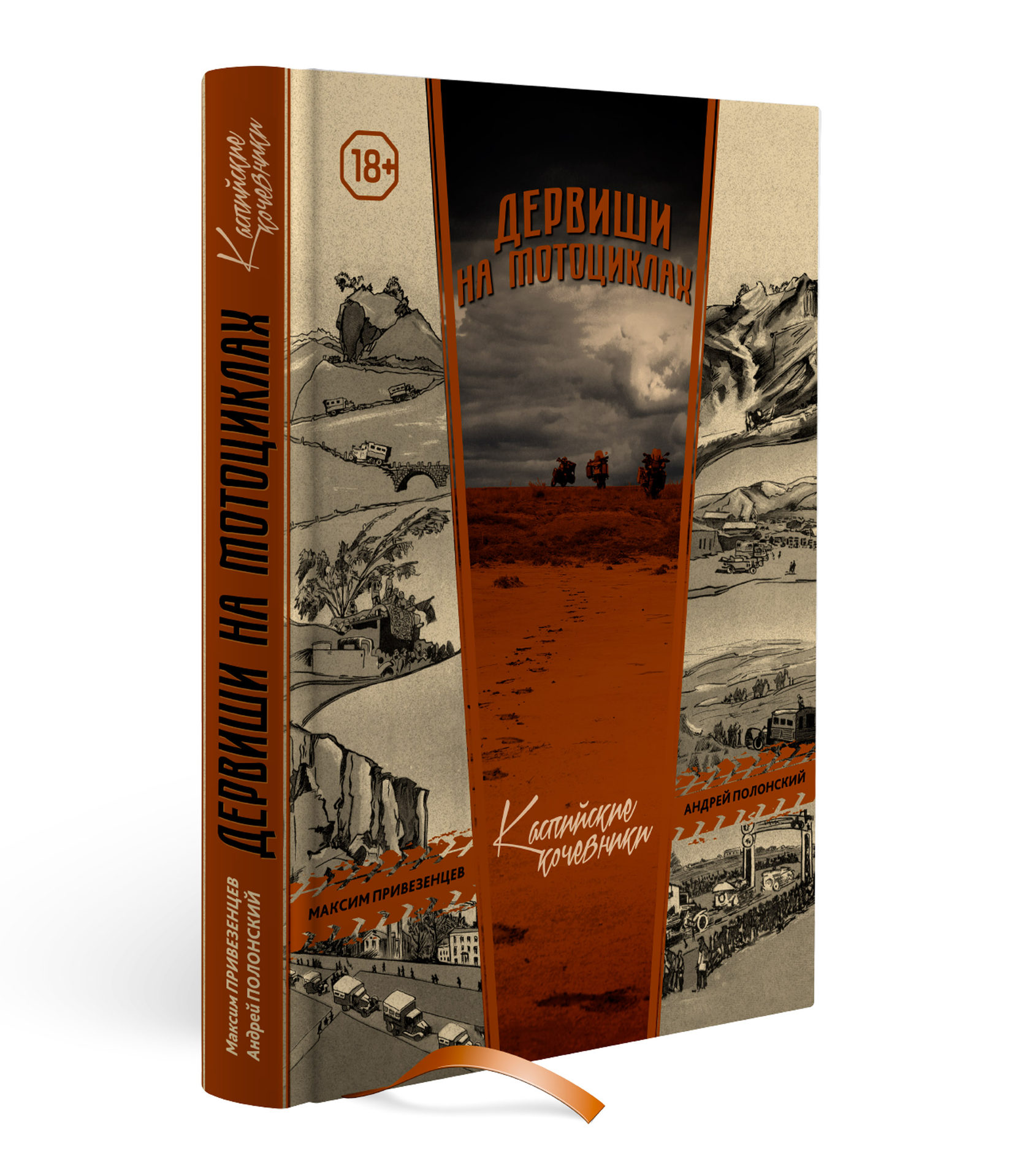
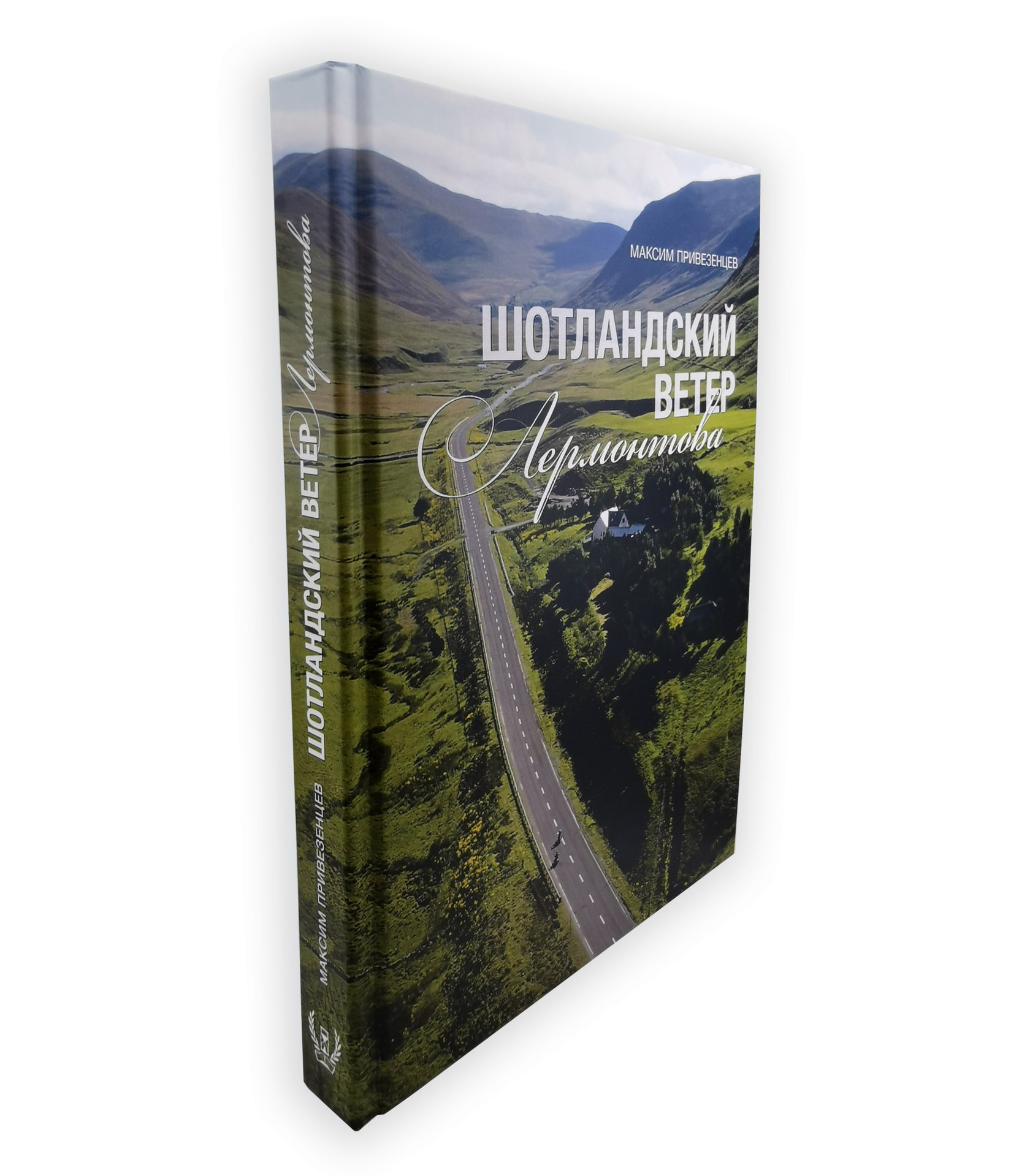
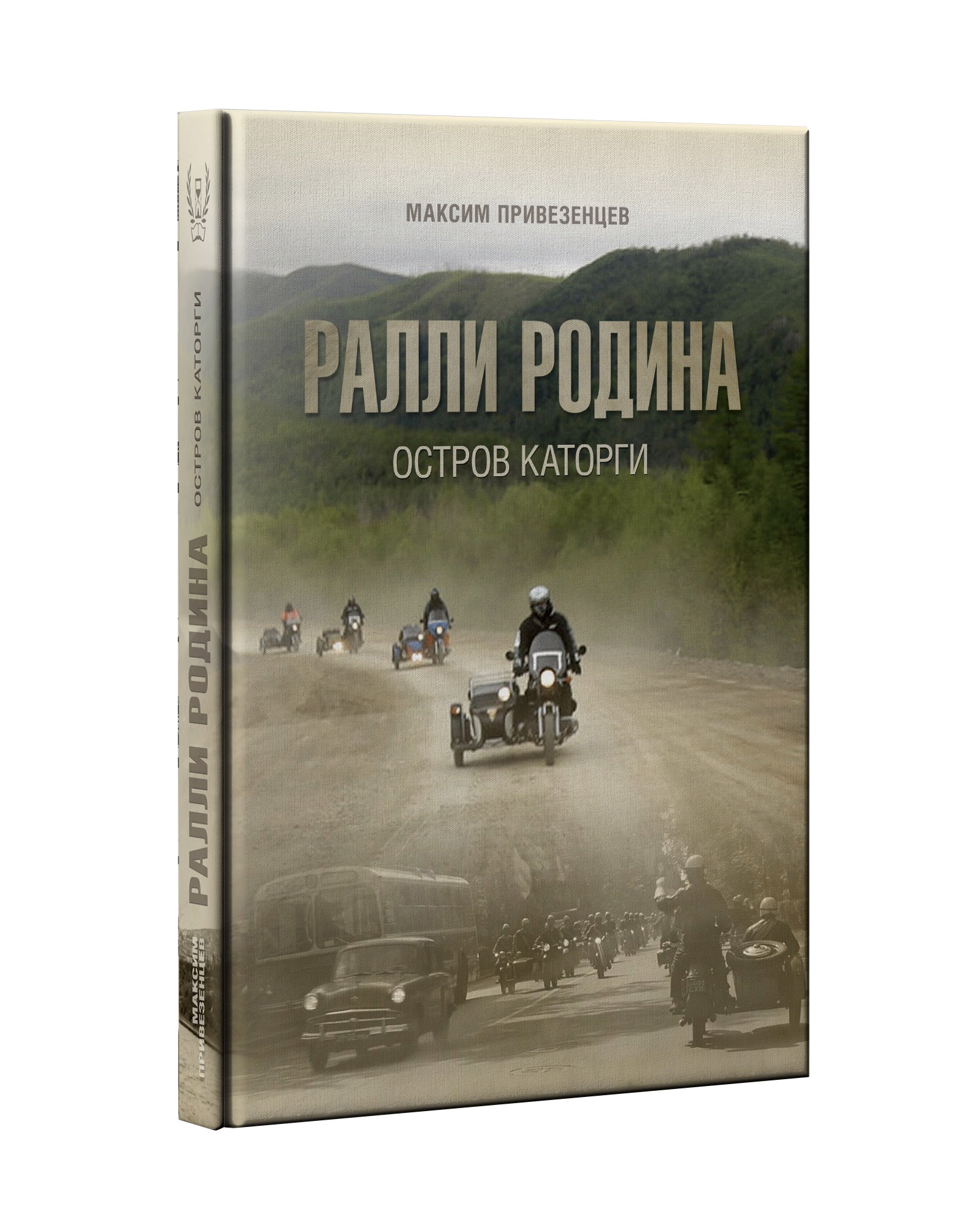
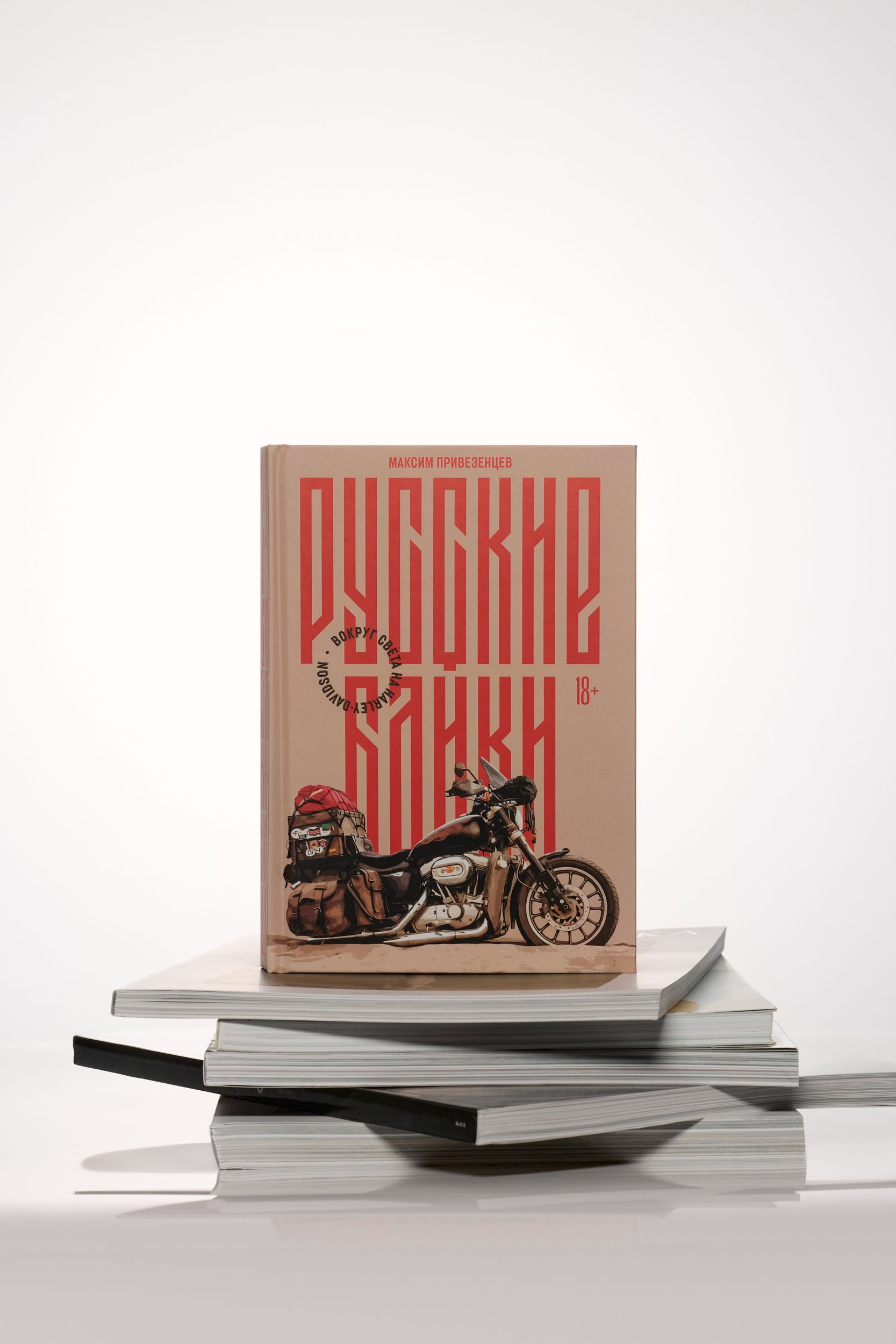
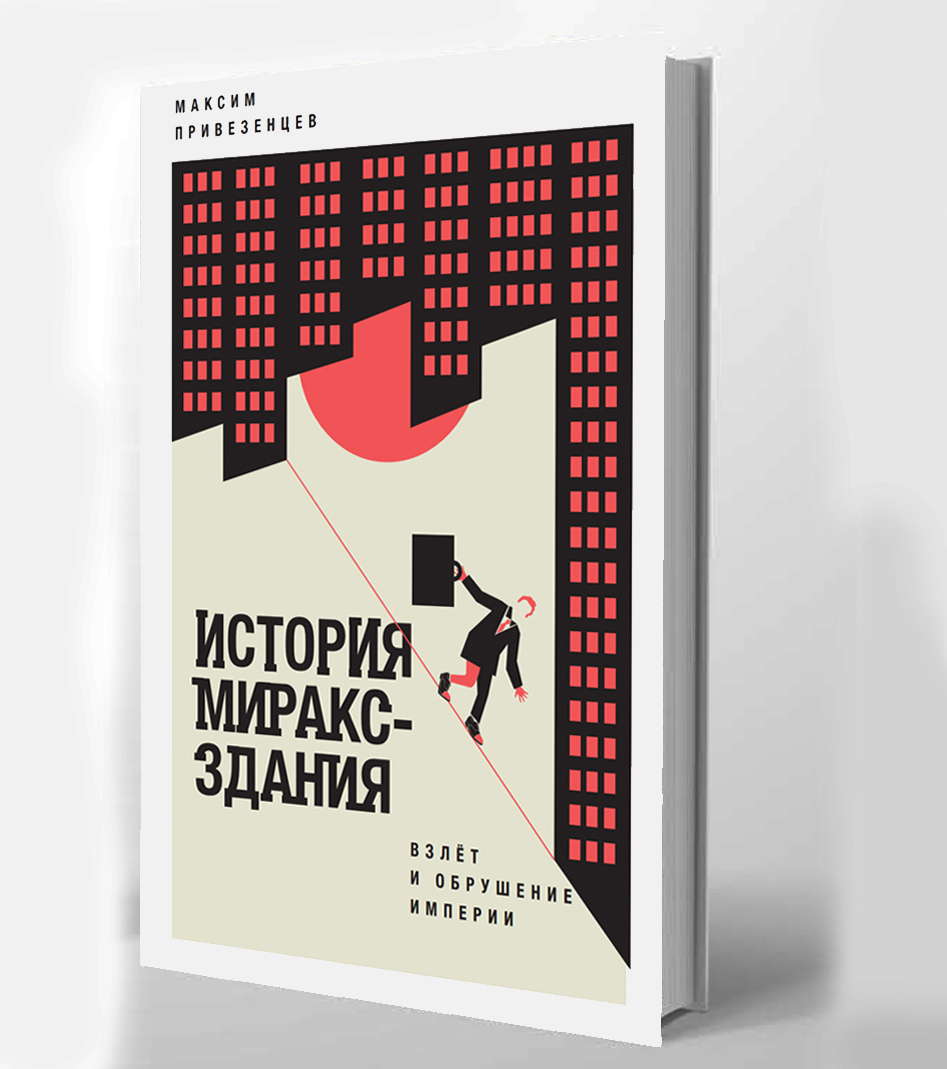
Maxim Privezentsev writes the way he drives — watching the horizon closely, in no hurry to overtake it.
He was born at the very edge of the country, in Yuzhno-Sakhalinsk, where the ocean sets a different scale for distance and where the word "mainland" sounds like a promise. Perhaps that is why motion entered his life before stillness did: an island childhood taught him to measure the world in legs of a journey rather than in streets, in directions rather than in addresses. Later came the quiet, homely land of Vladimir, with its white-stone churches and the unhurried river of time, and then Moscow — a city that does not so much welcome you as test you. These three points on the map — Sakhalin, Vladimir, Moscow — converge in his prose into a single road, one on which every departure turns out to be a form of return.
His pull toward the road is an inheritance. His grandfather, Vladimir Andreyevich Privezentsev, was a documentary filmmaker and one of those who, in 1967, shot the legendary "Rally Rodina" — a run across the entire vast country, from the ocean to the western frontiers, captured on film as the living geography of a postwar age. In a family that knew how to look at the world through a lens and how to hold a frame, the road was never an adventure but a profession of attention. That dynastic eye of the newsreel chronicler — the gift of noticing, of arresting a moment, of trusting what is seen more than what is said — Maxim carried from the frame onto the page.
By training and temperament he is a man of strict discipline: a Candidate of Economic Sciences, accustomed to exact calculation, to the logic of cause and effect, to taking responsibility for every decision. Yet it is precisely this rational tempering that makes his lyricism so persuasive — he does not flee from numbers toward a dream but demonstrates that the two need not contradict each other. In his books, the analytical mind and the romance of wandering do not quarrel; they hold a conversation: the route is calculated, but its meaning always lies beyond arithmetic.
The philosophy of the road is the heart of everything he does. For Privezentsev, a journey is never merely a change of scenery; it is a way of asking himself uncomfortable questions in the very places where habitual answers stop working. A motorcycle, a car, an empty highway at dawn become for him not narrative props but instruments of self-knowledge. He writes about the states familiar to anyone who has ever set out before first light: the silence inside speed, the freedom that is impossible without responsibility, the home you only begin to love at a distance from it.
His prose is warm and grown-up at once — without adolescent strain and without weary cynicism. Privezentsev knows how to speak of large things quietly: of losses and recoveries, of staying true to oneself, of the price of a chosen path. He does not lecture the reader, nor does he sell a pretty picture of freedom; he simply invites you to sit beside him and ride a few hundred kilometers together, at the end of which, perhaps, something essential will come into focus.
Today his books are neither guidebooks nor memoirs but rather maps of inner routes, along which each reader traces a trajectory of their own. They hold the dust of real roads and the precision of a man used to answering for his words; they hold the memory of a grandfather with a film camera and the horizon of Sakhalin; they hold Vladimir and Moscow as two poles of a single fate. And they hold the one promise for which we open such books at all — that on the road it is always possible to become a little more honest with yourself.